Facial Aging Self-Assessment
Seven questions covering brow, eyes, cheeks, folds, jawline, neck and skin quality, scored the way a surgeon assesses a face — region by region rather than as one impression.
Facial Aging Self-Assessment
Seven questions covering brow, eyes, cheeks, folds, jawline, neck and skin quality, scored the way a surgeon assesses a face — region by region rather than as one impression.
A structured way to describe what you see, not a diagnosis. A surgeon assessing you in person will look at bone, volume and skin quality together.
How to read the result
- Scoring by region is the point. Most people arrive saying they look tired; the useful conversation starts when you can say which three regions are doing it.
- A high score in the eyes and brow with a low one elsewhere usually means eyelid surgery, not a facelift.
- Skin quality is scored separately for a reason: no lift improves texture, sun damage or fine lines. That is a resurfacing question.

Frequently asked questions
Why does the face age the way it does?
Four things happen at once and only one of them is skin. Bone resorbs, particularly around the eye socket and the jaw, so the scaffolding shrinks. The deep fat pads deflate and the superficial ones slide downward, which is why cheeks flatten while folds deepen. Muscle tone changes, most visibly as bands in the neck. And skin loses collagen and elasticity, so it no longer retracts. A facelift addresses descent; it does not address volume loss or skin quality, which is why good plans usually combine more than one thing.
Will a facelift make me look younger or just different?
A well-planned one restores the position of tissue that has descended, which reads as younger rather than different — the classic figure is about ten years. The operations that make people look different rather than younger are the ones that pull skin sideways instead of repositioning the deeper layer, or that add volume in places a young face never had it. If a result looks operated on, the usual cause is technique or overtreatment, not the fact of surgery.
Can non-surgical treatments delay a facelift?
They can manage the early stages well and can genuinely postpone the conversation, particularly volume replacement and consistent sun protection. What they cannot do is lift established laxity, and there is a point at which continuing to add volume to a descending face makes it heavier rather than younger. The honest framing is that non-surgical treatment is excellent while the problem is volume and texture, and stops being the answer once the problem is position.
Related guides
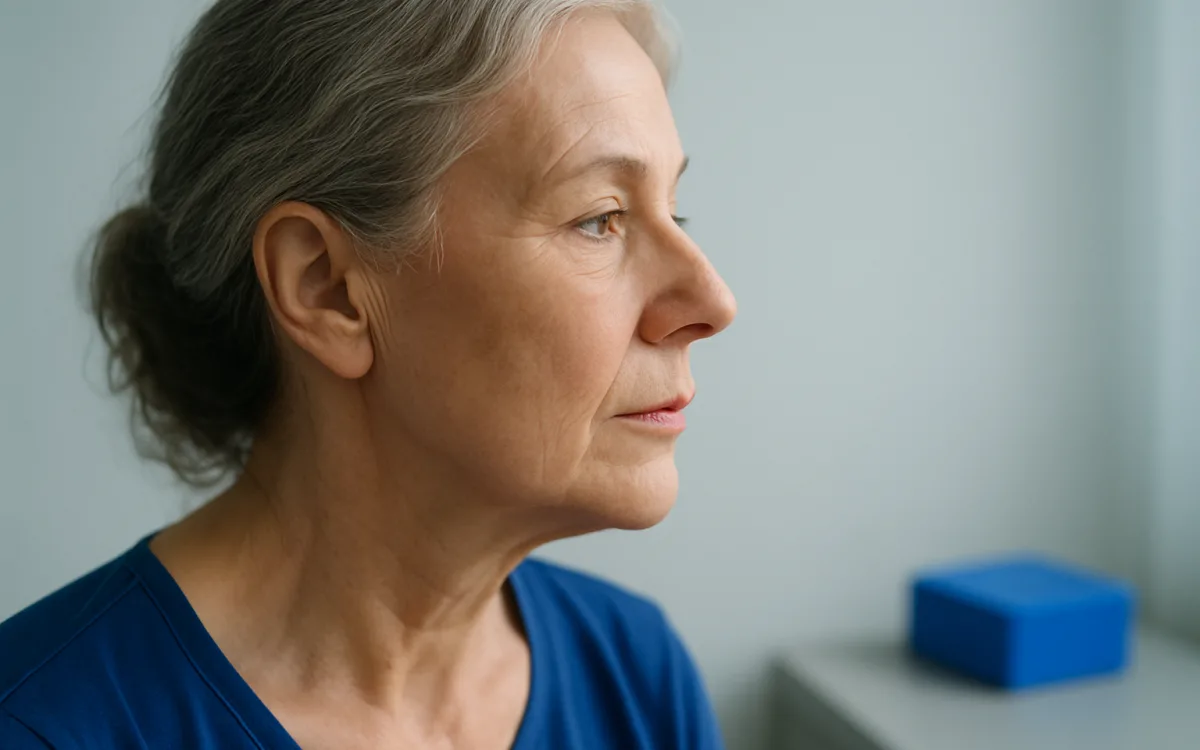
How the Face Ages: Bone, Fat, Muscle and Skin
Understand the anatomy of facial ageing and why effective facelift surgery in Turkey must address more than just loose skin.

Types of Facelift Surgery in Turkey: Mini, SMAS, Deep Plane, and More
Compare the main facelift types in Turkey, what each technique lifts, typical costs, and how to choose the right procedure for your concerns.
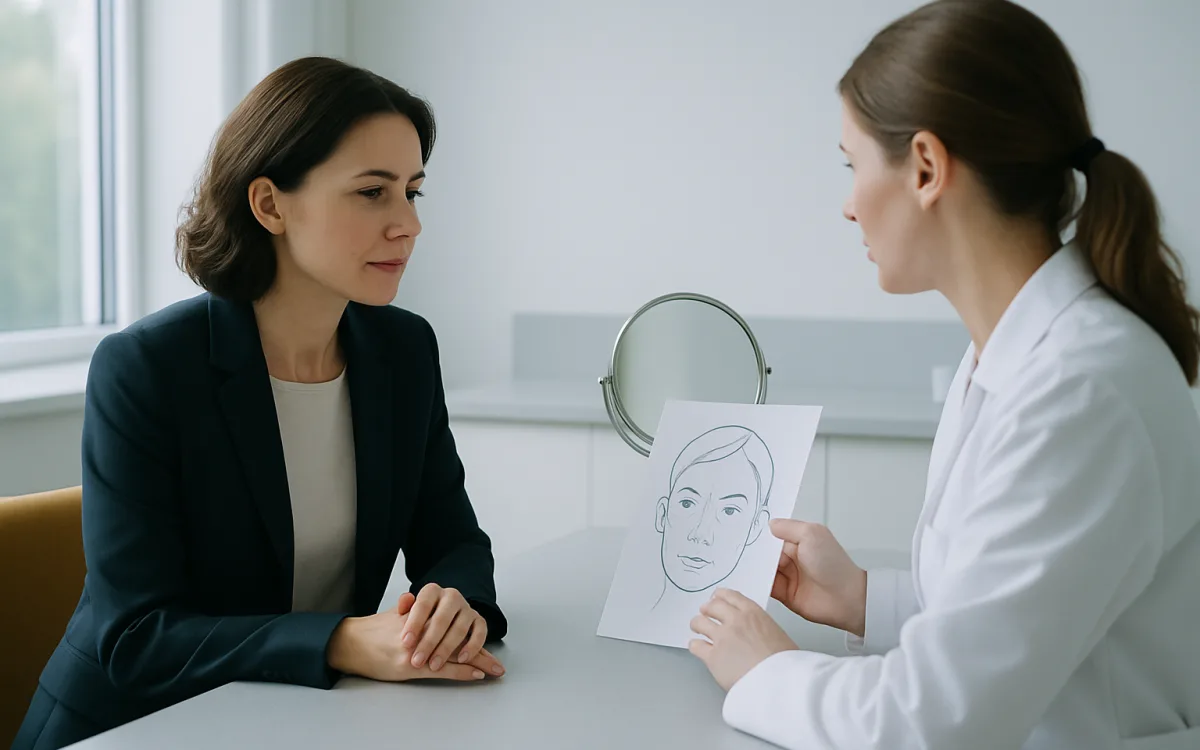
Non-Surgical Facelift Options: What Works, How Long, and Where Hype Begins
Understand non-surgical facelift options in Turkey, what each treatment can realistically do, costs, and how long results last.
Why ask us for the quote
- One enquiry, quotes from several vetted clinics — you compare, nobody pressures you.
- We ask for the information a surgeon needs to quote: no photo upload, no medical files.
- Every clinic on our list holds a Turkish Ministry of Health licence and treats international patients.
- You keep your language: we pass on which of the 12 languages you want to be answered in.
- No fee to you, ever. Clinics pay us, and that is written on this page rather than hidden.
- We are not a clinic and never treat anyone — so we have no reason to talk you into surgery.