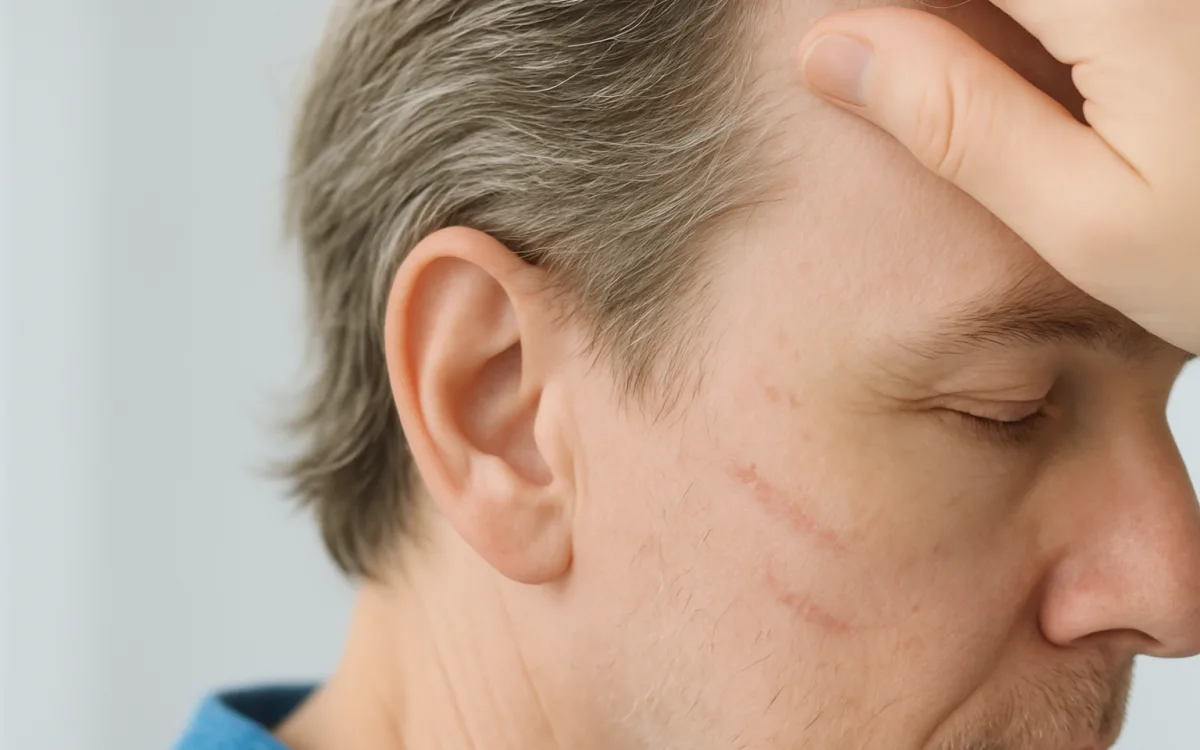
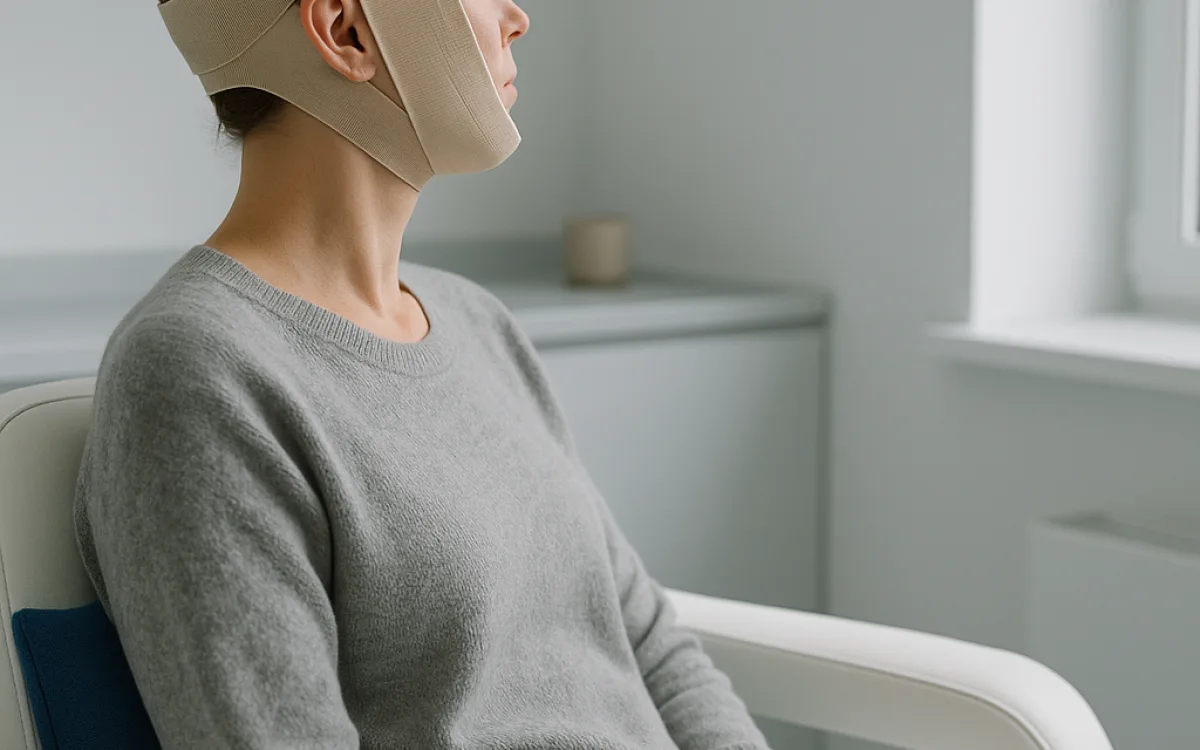
Facelift Aftercare: The First Month, Rule by Rule

A facelift is a major decision, and the days after surgery can be as important as the operation itself. Whether you’re planning your facelift in Turkey or already booked, understanding aftercare is essential for safety, comfort, and satisfaction.
This guide explains what to expect in the first month, why specific rules matter, and how to make travel and recovery as smooth as possible. We break down the first two weeks day by day, discuss blood pressure control, hair washing, scar care, and even when it’s safe to colour your hair again. If you’re seeking real-world answers without empty promises, you’re in the right place.
The First 14 Days: What To Do and What To Avoid#
- Sleep with your head elevated at 30-45 degrees for at least 10 nights.
- Avoid any bending, lifting, or vigorous activity for two weeks.
- Do not wash your hair until your surgeon confirms it’s safe (usually after 3–5 days).
- Keep all dressings dry and do not pick at scabs or sutures.
- No smoking, vaping, or alcohol—these slow healing and raise complication risk.
- Wear a wide-brimmed hat and avoid direct sunlight on your face.
Most clinics in Turkey provide written aftercare plans—ensure you have yours before leaving.
Blood Pressure: The Hidden Risk in the First 24 Hours#
The first 24 hours after a facelift are critical because even small spikes in blood pressure can cause bleeding under the skin (haematoma), one of the most common early complications. This is why surgeons advise strict rest, minimal movement, and sometimes blood pressure monitoring—especially if you have hypertension. Avoid caffeine, high-salt foods, and emotional stress, as all can raise blood pressure. If you’re travelling for facelift Turkey procedures, ensure your accommodation is calm and that you have someone to help you for the first night. If you feel dizziness, pain, or swelling increasing rapidly, contact your medical team immediately.
| Action | Effect on Blood Pressure |
|---|---|
| Rest, head elevation | Helps keep blood pressure stable |
| Caffeine, stress, pain | Can cause harmful spikes |
| Early movement, heavy lifting | Raises risk of bleeding |
Washing, Showering, and Hair Care: What’s Really Safe?#
After a facelift, the timing of your first hair wash matters. Most Turkish surgeons clear patients to wash their hair gently with a mild, non-perfumed shampoo after 3–5 days, taking care not to pull at stitches or disturb dressings. Hot water and vigorous scrubbing are best avoided for at least two weeks. Blow-drying should be on the cool setting only. Colouring, bleaching, or perming hair is usually not recommended until 4–6 weeks post-surgery, as chemicals can irritate healing skin and incisions. Always check with your clinic before restarting any treatments.
- Wait 3–5 days for your first gentle hair wash.
- Use gentle, fragrance-free shampoo.
- No hair dyes or chemicals for at least 4 weeks.
- Pat dry; avoid rubbing or heat styling tools.
- Report redness or fluid at incision lines to your doctor.
Sleeping Position and Head Elevation: Why It Matters#
Sleeping on your back with your head elevated above heart level is not just a comfort measure—it reduces swelling, helps wounds drain, and lowers the risk of bleeding. For the first 10–14 nights after facelift Turkey surgery, use two firm pillows or a wedge pillow. Avoid sleeping on your sides or stomach, as this can put pressure on incisions and distort healing tissues. If you are a restless sleeper, placing rolled towels on either side of your head can gently prevent turning during sleep. Good sleep hygiene helps your body heal, so keep your room cool, dark, and quiet.
| Position | Recommended Duration | Why It Matters |
|---|---|---|
| Back with head elevated | 10–14 nights | Reduces swelling, bleeding |
| Side/stomach | Avoid for 2–3 weeks | Prevents incision stress |
| Flat on back | Not recommended | Can worsen swelling |
Sun, Scar Care, and When to Resume Your Routine#
Protection from sunlight is critical in the first 4–6 months after a facelift. UV exposure can darken new scars and slow healing. Wear a wide-brimmed hat outdoors and apply SPF50+ sunscreen once wounds have fully closed (usually after 2–3 weeks). Scar massage with a plain moisturiser can begin once incisions are healed, but avoid any strong creams or oils unless recommended. Exercise, swimming, and saunas should all be avoided for at least four weeks. Most people can return to non-strenuous work after two weeks, but visible bruising and swelling may last longer.
When Can You Fly Home After Facelift Surgery in Turkey?#
- Most clinics recommend waiting 7–10 days before flying home.
- Short-haul flights are often possible after 7 days if recovery is smooth.
- Long-haul flights may require 10–14 days to reduce risk of swelling and clots.
- Wear compression stockings and move regularly during the flight.
- Notify airline staff if you have any medical needs.
Check your travel insurance for any post-surgical restrictions before booking your return ticket.
Budgeting for Aftercare: What’s Included and What’s Extra?#
Most facelift Turkey packages include basic aftercare for the first week, but not all extras are covered. Scar care products, extra check-ups, and private nursing are usually additional costs. Ask for a written breakdown before you travel, and budget €100–€300 extra for aftercare items not included in your package.
| Aftercare Item | Included in Package? | Typical Extra Cost (€) |
|---|---|---|
| First dressing change | Usually | 0 |
| Compression garment | Often | 0–50 |
| Scar creams | Rarely | 20–60 |
| Airport transfer post-surgery | Sometimes | 20–50 |
| Follow-up video consultation | Varies | 0–100 |
Questions people ask
How long will swelling and bruising last after a facelift in Turkey?
Most swelling and bruising peaks in the first 3–4 days and improves significantly in 2–3 weeks. Some mild swelling, especially around the jawline and neck, can take several months to fully disappear. The timeline varies based on your age, skin type, and the extent of your surgery. Following aftercare instructions—especially head elevation and avoiding physical strain—can help reduce both the severity and duration of swelling. If you have persistent or worsening swelling, always report it to your surgical team.
When is it safe to colour or dye my hair after facelift surgery?
Most surgeons in Turkey recommend waiting at least 4–6 weeks before colouring, bleaching, or chemically treating your hair after a facelift. This waiting period allows incisions around the hairline and behind the ears to heal adequately, reducing the risk of irritation or infection from hair dye chemicals. Always get clearance from your surgeon before resuming any hair treatments, as healing speed varies from person to person and by the surgical technique used.
What should I do if I notice redness, pus, or fever after surgery?
Redness, pus (yellow or green discharge), and fever can be signs of infection. It’s important not to self-treat or ignore these symptoms. Contact your surgical clinic or medical provider immediately for advice. Early intervention can prevent more serious complications. Many clinics offering facelift Turkey packages have an emergency contact for post-operative concerns—use it if any of these signs appear, especially in the first two weeks after surgery.
facelift Turkeyfacelift aftercare tipspost-surgery recovery facelifthair washing after faceliftflying after facelift surgeryfacelift scar care