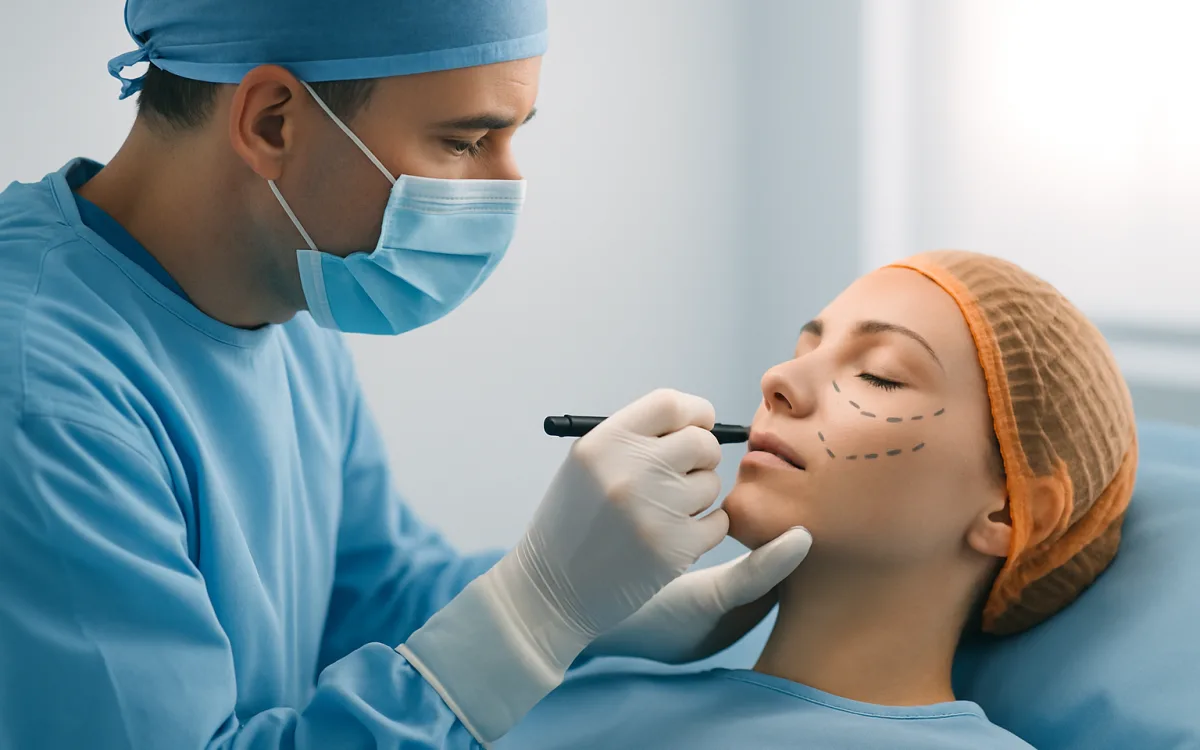
Types of Facelift Surgery in Turkey: Mini, SMAS, Deep Plane, and More

Facelift surgery is not one-size-fits-all, and the names used in clinic brochures can often be as confusing as they are enticing. Whether you are considering a full deep plane lift, a mini facelift, or a targeted neck lift in Turkey, understanding what each technique actually addresses and what recovery really involves is essential for making an informed decision.
This guide explains the most common facelift types, focusing on what they lift, how long they last, downtime to expect, and typical cost ranges. By comparing skin-only, SMAS, deep plane, and mini facelifts—plus adjuncts like neck lift—you can match your concerns to an appropriate surgical plan or even consider if non-surgical options are enough for your needs.
Why Facelift Names Can Be Confusing#
Facelift terminology is used loosely in both marketing and everyday conversation. Terms like ‘mini facelift’, ‘SMAS lift’, and ‘deep plane’ often overlap and can mean different things depending on the clinic or surgeon. Some clinics in Turkey may describe almost any shorter-scar procedure as a ‘mini facelift’, even when the technique varies widely. Likewise, ‘SMAS’ (Superficial Musculoaponeurotic System) can refer to several surgical methods targeting deeper facial tissues. Understanding these names helps you ask the right questions and compare like-for-like when seeking a quote.
How the Face Ages: Matching Problems to Procedures#
- Loss of skin elasticity leads to sagging and jowls—skin-only or mini facelifts may address these.
- Descent of deeper tissues causes deeper folds and lower face droop—SMAS or deep plane techniques are used here.
- Fat redistribution and volume loss may require fat transfer or fillers, not always surgery.
- Neck bands and loose skin might need a separate neck lift or platysmaplasty.
- Fine wrinkles, pigmentation, and surface texture are best treated with non-surgical options.
A thorough assessment with an experienced, board-certified surgeon is crucial to match your concerns to the right procedure.
Facelift Types Compared: What They Lift, Downtime, Longevity, and Cost#
| Technique | What It Lifts | Downtime | Longevity | Cost (€) |
|---|---|---|---|---|
| Skin-Only Facelift | Loose facial skin only | 7-10 days | 1-3 years | 2,500–3,800 |
| Mini Facelift | Mild cheek/jowl sagging | 7-12 days | 2-5 years | 2,800–4,500 |
| SMAS Plication | Skin + underlying SMAS layer | 10-14 days | 5-8 years | 3,500–5,500 |
| SMASectomy | Reposition/removal of SMAS | 12-16 days | 7-10 years | 4,000–6,500 |
| Deep Plane Facelift | Skin + deeper muscles/fat | 14-21 days | 10+ years | 5,000–8,000 |
| Neck Lift | Neck skin/muscle only | 10-14 days | 5-8 years | 2,800–4,000 |
Prices in Turkey vary based on surgeon experience, clinic reputation, and whether procedures are combined.
Skin-Only and Mini Facelifts: When Less Really Is More#
Skin-only and mini facelifts are less invasive options often chosen by younger patients or those with only mild sagging. These techniques involve shorter incisions, quicker recovery, and lower risk, but they do not address deeper structural changes. Results tend to be more subtle and shorter-lived. If your main concern is early jowling or loose skin along the jawline, a mini facelift in Turkey can be a cost-effective option. However, these procedures will not lift deeper tissues or correct heavy neck sagging. For some, non-surgical treatments like radiofrequency skin tightening or fillers may suffice, especially when changes are minimal.
SMAS Facelifts: Plication, SMASectomy, and What Sets Them Apart#
- SMAS Plication: The SMAS layer is folded and stitched for a subtle lift.
- SMASectomy: A strip of SMAS is removed and edges stitched together, providing a stronger lift.
- Both techniques address the deeper facial structure, not just the skin.
- Downtime and swelling are longer compared to mini lifts, but results last longer.
- Risks include nerve injury, especially with more aggressive SMAS work.
Ask your surgeon which SMAS method they use and why; the nuance matters for both result and recovery.
Deep Plane Facelift and Neck Lift: Advanced Techniques for Lasting Change#
Deep plane facelift is the most advanced technique, releasing and repositioning both the skin and the underlying muscle and fat as a single unit. This allows for more significant correction of deep nasolabial folds and heavy jowls. Recovery takes longer, but results can last a decade or more. Neck lift can be performed as part of a facelift or as a standalone procedure for patients whose main issue is neck bands or loose skin. Both techniques carry increased complexity and should only be performed by surgeons with specific experience in these methods. Costs are higher due to longer operative time and skill required.
| Procedure | Best For | Typical Recovery |
|---|---|---|
| Deep Plane Facelift | Severe jowls, deep folds, older patients | 2-3 weeks |
| Neck Lift | Neck bands, loose neck skin | 10-14 days |
| Combined Lift | Lower face and neck ageing | 2-3 weeks |
How to Check a Surgeon and Budget Honestly#
- Verify the surgeon’s Turkish Medical Association membership and board certification.
- Review independent patient feedback, not just testimonials hosted by the clinic.
- Ask for a written quote detailing all fees, including anaesthesia and hospital stay.
- Be wary of clinics promising one-day recoveries or ‘no scar’ lifts—scarring takes months to settle.
- Factor in the cost of post-surgery accommodation, follow-up visits, and potential touch-ups.
Always request clear before/after care instructions and realistic timelines for recovery and scar maturation.
Questions people ask
Which facelift technique is right for me if I have only mild sagging?
If your main concern is mild sagging or early jowls, a mini facelift or even non-surgical treatments such as fillers or radiofrequency skin tightening may be appropriate. Skin-only and mini facelifts offer quicker recovery and smaller scars but less dramatic results, and they are often suitable for people in their 40s or early 50s. However, a proper assessment with a qualified surgeon is essential to determine whether a surgical or non-surgical approach is best for your goals.
How much does a facelift cost in Turkey, and what affects the price?
Facelift prices in Turkey typically range from €2,500 for a skin-only lift up to €8,000 for a deep plane facelift, depending on the technique, surgeon’s experience, clinic reputation, and whether additional procedures (like neck lift or eyelid surgery) are combined. Prices also reflect anaesthesia, hospital fees, and post-operative care. Always request a detailed written quote to understand exactly what is included and avoid unexpected charges.
How long does it take to recover from facelift surgery in Turkey?
Recovery time depends on the technique used. Mini and skin-only facelifts usually require 7-12 days for initial recovery, while SMAS and deep plane facelifts involve 2-3 weeks before you can return to work or social activities. Bruising and swelling may persist for several weeks, and scars can take several months to fade. Planning for at least two weeks in Turkey post-surgery is recommended, especially if you are travelling internationally.
facelift Turkeytypes of facelift surgerymini facelift Turkeydeep plane facelift TurkeySMAS facelift Turkeyfacelift cost Turkey