Facelift Scars: Where Incisions Go and How They Heal Over Time
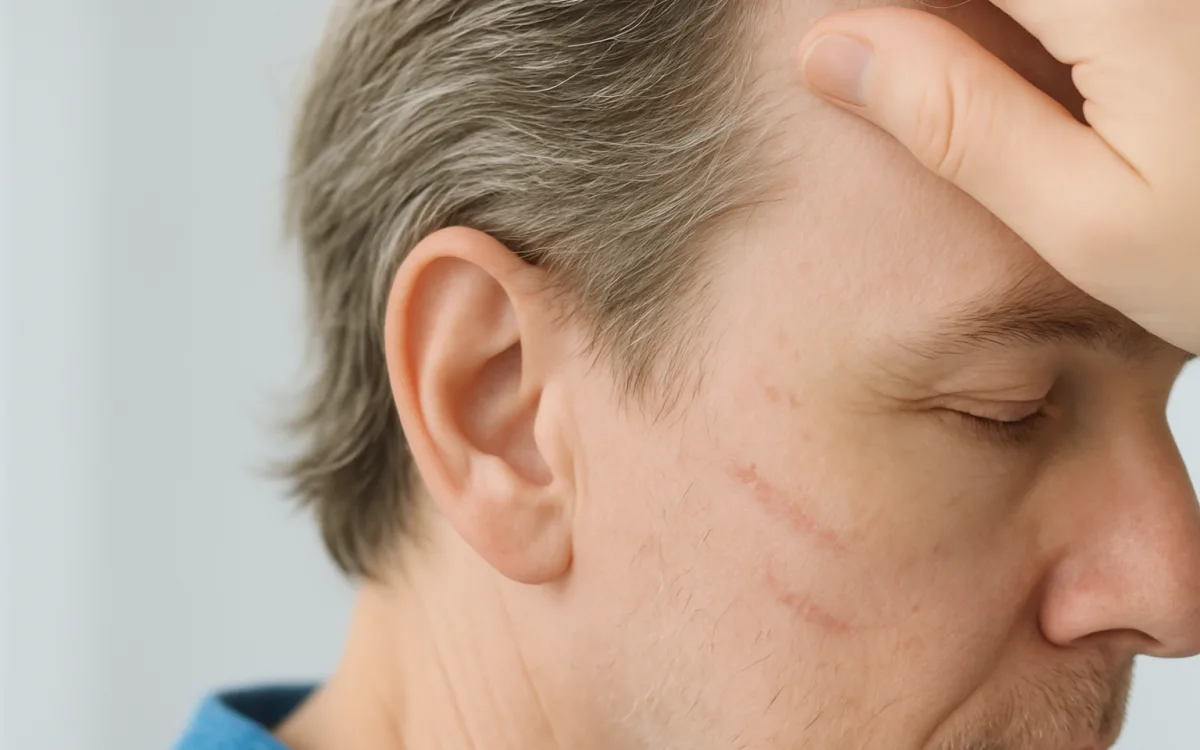
Anyone considering facelift surgery in Turkey has questions about scars: where will they be, how will they look, and what really helps them heal? The answers are specific and practical, and knowing them upfront helps you weigh your options with a clear head.
This guide explains exactly where incisions are placed and why, what to expect during each stage of scar maturation, and what does and does not help scars fade. It will help you understand the trade-offs, set realistic expectations, and plan for proper aftercare—before you ever set foot in a clinic.
Where Facelift Incisions Are Placed—and Why#
Facelift incisions are carefully planned to follow natural skin creases and hairlines, making them less noticeable as they heal. The classic approach for a full facelift starts in the temple hairline, runs down just in front of the ear, curves under the earlobe, then tracks behind the ear into the lower hairline. Shorter 'mini' facelifts use shorter incisions, often just around the ear. Neck lifts add a small incision under the chin. The surgeon’s goal is to balance access, tension, and concealment: enough length to perform the lift safely, but hidden so scars are not obvious in everyday life. Your hair style, skin type, and the extent of correction needed all affect the final pattern.
- Temple hairline: Conceals the start of the incision in hair.
- In front of the ear: Follows the natural crease for camouflage.
- Behind the ear: Hides the incision in the fold and hair.
- Under the chin (for neck lifts): Used for access to neck tissues.
A Year in the Life of a Facelift Scar: Healing Timeline#
| Time After Surgery | What to Expect | Care Tips |
|---|---|---|
| Days 1–10 | Incisions are closed, pink, and slightly raised. Swelling and bruising common. | Gentle cleansing, no picking, follow surgeon’s instructions. |
| Weeks 2–6 | Scars may look red or purple; tightness normal. Swelling reduces. | Use prescribed ointments, avoid sun exposure. |
| Months 2–6 | Scars flatten and fade but may still be visible. Itching can occur. | Start gentle massage if advised, continue sun protection. |
| Months 6–12 | Scars mature, lighten, and soften. Best idea of final appearance. | Consider silicone or laser if scars remain raised or red. |
What Makes Facelift Scars Heal Well—or Poorly#
The quality of your facelift scars depends on factors you can control, and some you cannot. Good surgical technique, gentle tension on skin closure, and careful aftercare matter most. Smoking, poorly controlled diabetes, and certain medications can all slow healing. Genetics play a role—some people naturally form thicker scars or develop keloids. Sun exposure is a major risk for darkening scars. Finally, infection or wound breakdown can worsen a result, making careful hygiene essential. If you have a history of problematic scarring, discuss this honestly with your surgeon before any procedure.
- Non-smokers heal faster and with less risk of visible scarring.
- Dark or olive skin tones may develop darker (hyperpigmented) scars.
- Sun avoidance and high-SPF protection are crucial for 6-12 months.
- Early infection can widen or worsen a scar, so hygiene is vital.
Diagram in Words: Visualising Facelift Incisions#
Imagine tracing a line from just inside your hairline at the temple, curving down in front of your ear, looping beneath your earlobe, then running behind your ear and into your lower hairline at the back. This is the classic full facelift path. For a mini facelift, the line might start above the ear, curve around the front, and stop just behind the earlobe, skipping the hairline. If a neck lift is done at the same time, add a short line (2-3 cm) tucked under the chin. The aim is for all incisions to follow natural shadows and folds, making them less visible once healed.
Silicone, Massage, and Laser: What Actually Works?#
| Method | Evidence | When to Consider |
|---|---|---|
| Silicone gel or sheets | Strong evidence for reducing thickness and redness of new scars. | Start once wounds fully closed (usually after 2 weeks). |
| Massage | Can help soften and flatten scars, but must be gentle and only after wounds heal. | Begin after 2-3 weeks if advised by your surgeon. |
| Laser therapy | Selective lasers (e.g. pulsed dye) help with redness or thickened scars. | Reserve for scars that remain raised or red after 3-6 months. |
No over-the-counter cream can erase scars, but some can improve comfort or hydration.
What Can Go Wrong: Problems with Facelift Scars#
Most facelift scars heal well with time and proper care, but problems do occur. If you notice thickening, itching, or a scar that gets worse after three months, consult your surgeon for possible interventions. Early action is usually more effective.
- Widened scars from wound tension or infection.
- Raised (hypertrophic) or keloid scars, especially in predisposed individuals.
- Persistent redness or pigmentation from sun exposure.
- Scar migration into visible areas if hairline shifts.
Facelift Turkey: Choosing a Surgeon and Planning for Scars#
In Turkey, facelift surgery is offered by many clinics and surgeons with varying levels of experience. Take the time to research: look for board-certified plastic surgeons, ask about their specific incision strategy for your face shape, and request to see healed scars—not just post-op results. Honest clinics will set expectations about scarring, and offer aftercare guidance. Costs in Turkey range from €2,500 to €6,000, depending on the surgeon, clinic reputation, and extent of the surgery. Investing in a well-vetted provider lowers the risk of poor scarring and increases your chance of a discreet, well-hidden result.
- Request written quotes and specific details about incision placement.
- Ask about aftercare support for scar management.
- Check independent reviews and professional registrations.
- Plan for at least 2 weeks off work and limited social contact.
Questions people ask
Will my facelift scars be visible to others?
Facelift scars are designed to be hidden in hairlines and natural creases, but they are never truly invisible. For most people, scars fade to faint lines after 6-12 months, and are not obvious in social settings. However, visibility depends on your hair style, skin type, and healing response. Careful aftercare and sun protection help minimise their appearance.
How long before I can go out without makeup after a facelift?
Most people are comfortable returning to public life without heavy makeup at 2-3 weeks, once swelling and bruising subside. However, the incisions may still be pink or slightly raised for months, so you may choose to use concealer or hair styling to cover them. Always protect healing scars from sun exposure, even if they look healed.
Can non-surgical treatments fix sagging if I want to avoid scars?
Mild to moderate skin laxity can often be improved with non-surgical options like ultrasound, radiofrequency, or injectable fillers. These leave no scars but have subtler, temporary results. If you have significant jowls, neck bands, or deep folds, surgery is usually the only way to achieve a noticeable, lasting lift. Always seek independent advice before deciding.
facelift Turkeyfacelift scar healing stagesbest aftercare for facelift scarsfacelift incision placementfacelift recovery time Turkeyscar treatments after facelift