Facelift Recovery in Turkey: What to Expect from Day 1 to Month 12
Choosing facelift surgery in Turkey is a decision that goes well beyond the operating theatre. Understanding the full recovery journey—what happens in the hours, days, and months after your procedure—can help you plan realistically and avoid surprises.
This guide walks you through each phase of facelift recovery, from the first dressings and drains to the point when swelling and scars have matured. Whether you are considering a deep plane facelift or a less invasive mini-lift, knowing the calendar helps you budget your time, spot warning signs, and decide when you can travel, return to work, or even be photographed confidently.
The First Days: Immediate Recovery Essentials#
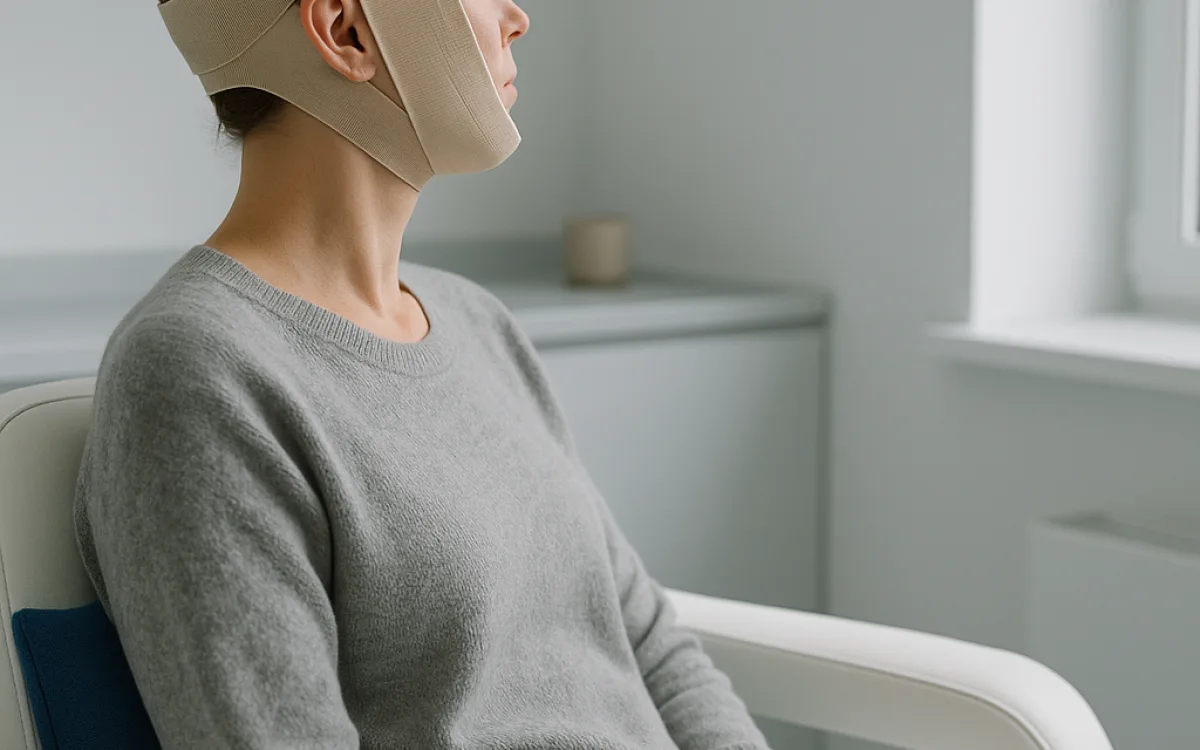
Immediately following a facelift in Turkey, most patients spend at least one night in a clinic under observation. Drains are often placed to prevent fluid build-up and are usually removed within 24–48 hours. Dressings are bulky at first but typically replaced with lighter bandages within two days. Bruising and swelling peak around day 2–3, and mild pain or tightness is common. Numbness in the cheeks, ears, or neck is expected and can last for weeks. Early movement is encouraged but avoid bending, lifting, or straining. Your surgeon will provide instructions on cleaning incisions and when to shower. While complications are rare, it’s critical to know the signs that require swift medical attention, such as severe swelling, spreading redness, sudden pain, or discharge from wounds.
Week-by-Week Recovery Timeline#
| Time | What to Expect | What You Can Do |
|---|---|---|
| Day 1-3 | Drains in place, heavy swelling, rest required | Short walks, basic hygiene |
| Day 4-7 | Bruising and swelling peak, stitches still in | Light activity at home, no bending |
| Week 2 | Stitches removed, most swelling subsides | Return to desk work, wear loose scarves |
| Weeks 3-4 | Bruising fades, sensation may still be odd | Short trips outside, light socialising |
| Month 2 | Residual swelling, scars pink and firm | Light exercise, gentle makeup |
| Months 3-6 | Scars settle, face feels softer | Normal routines, professional photos possible |
| Month 12 | Scars reach final appearance | Full activity, hair styling as desired |
Individual recovery speeds differ; always follow your own surgeon’s advice for activity and travel.
When Can You Fly, Exercise, and Return to Life?#
- You can usually fly home 7–10 days after surgery, provided you have had stitches and drains removed and have a fit-to-fly certificate.
- Light walking is encouraged after 3–5 days; aerobic exercise and swimming are best delayed until week 4–6.
- Hair colouring or chemical treatments should wait at least 4–6 weeks to protect healing skin and incisions.
- You may feel comfortable being photographed after 3–6 weeks, though minor residual swelling may persist longer.
- Social events are best planned at least one month post-surgery for most patients.
Warning Signs: When to Contact Your Surgeon Immediately#
- Rapidly increasing swelling or bruising on one side of the face
- Sudden, severe pain not relieved by medication
- Fever over 38°C, chills, or general malaise
- Pus, foul-smelling discharge, or spreading redness at an incision
- Shortness of breath or chest pain
Prompt attention to these symptoms can prevent serious complications; do not delay seeking medical advice.
Facelift Recovery Milestones Table#
| Milestone | Typical Timing | Notes |
|---|---|---|
| Drains removed | Day 1–2 | Often before leaving the clinic |
| Stitches removed | Day 5–7 | May vary for hairline incisions |
| Fly home | Day 7–10 | Check with your surgeon and airline |
| Back to work | 2–3 weeks | Remote work may be sooner |
| Scar maturation | 3–12 months | Scars fade from pink to pale |
Planning Your Budget and Time in Turkey#
Facelift Turkey packages typically cover accommodation, local transport, and basic aftercare, but length of stay and cost vary with the procedure’s complexity. Expect to spend €3,000–€7,000 for standard facelifts, with higher prices for combined procedures or high-profile surgeons. Additional costs may include pre-op lab tests, prescription medications, and possible extended accommodation if recovery is slower than expected. Plan for at least 10–14 days in Turkey to ensure safe removal of drains and stitches, and allow some contingency for unforeseen delays.
What to Expect from Scars and Long-Term Healing#
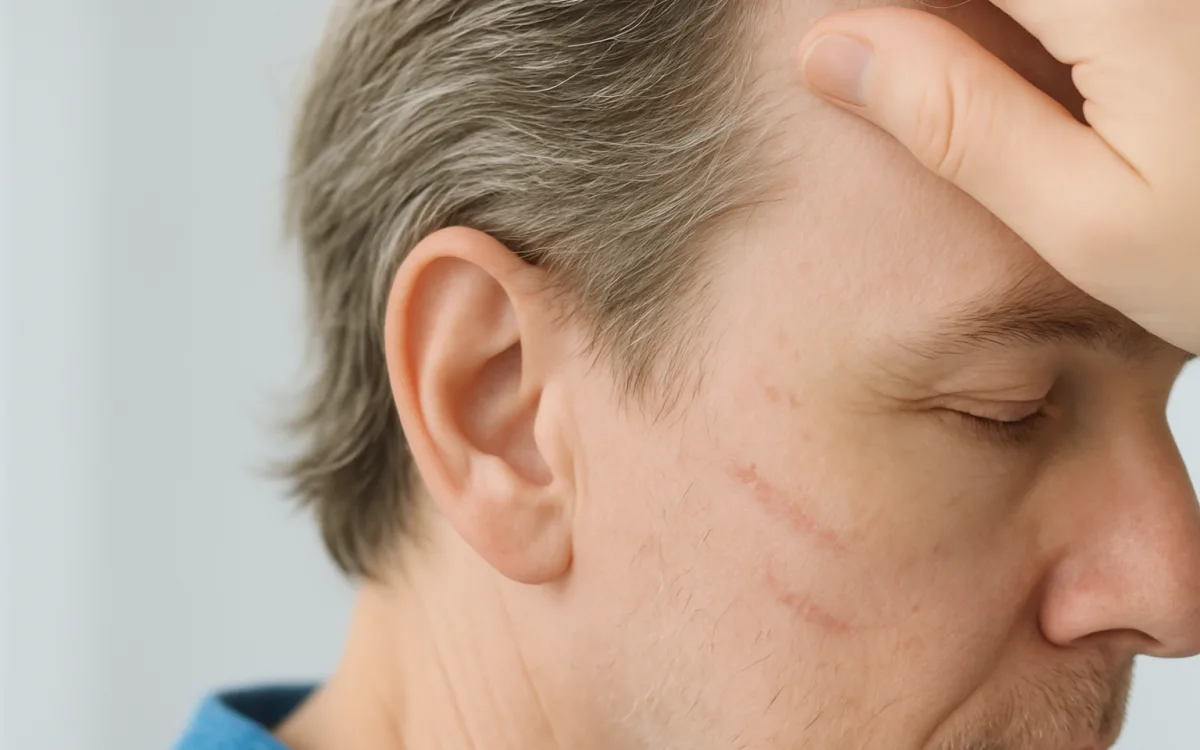
Facelift incisions are typically hidden along the hairline and behind the ears, but scars will be visible and pink for several weeks. Scar thickness and colour vary by individual and technique. Over the first three months, scars flatten and fade; by 12 months, most are fine, pale lines. Sun protection is crucial—UV exposure can darken scars permanently. Some redness or firmness may persist for up to a year. If you have a history of keloids or problematic scarring, discuss this with your surgeon during your consultation.
Questions people ask
How long will I need to stay in Turkey after a facelift?
Most international patients should plan to stay in Turkey for at least 10–14 days after facelift surgery. This allows time for removal of drains (usually within 1–2 days) and stitches (typically by day 5–7), plus a safety window to monitor for early complications. If healing is slower, or if you have combined procedures, your surgeon may recommend a longer stay.
When can I go back to work and normal social life?
Desk-based work can often be resumed within 2–3 weeks after a facelift, while more public-facing or physically demanding roles may require a longer break. Most bruising and obvious swelling subside by 3–4 weeks, making it possible to return to social activities, though minor residual changes may last longer. Plan major social events at least one month after surgery.
Are there non-surgical options for facial rejuvenation?
Yes, non-surgical treatments such as injectable fillers, botulinum toxin, and energy-based devices (like ultrasound or radiofrequency) can address mild to moderate sagging or wrinkles. These options offer shorter recovery times and lower risk, but their effects are temporary and less dramatic than surgical facelifts. A consultation with a qualified practitioner can help you decide what best matches your concerns and goals.
facelift Turkey recoveryfacelift recovery timelinewhen can you fly after faceliftfacelift scars healingfacelift aftercare Turkeyfacelift cost Turkey