Fillers, Ultrasound and Radiofrequency: Non-Surgical Alternatives to Facelift in Turkey
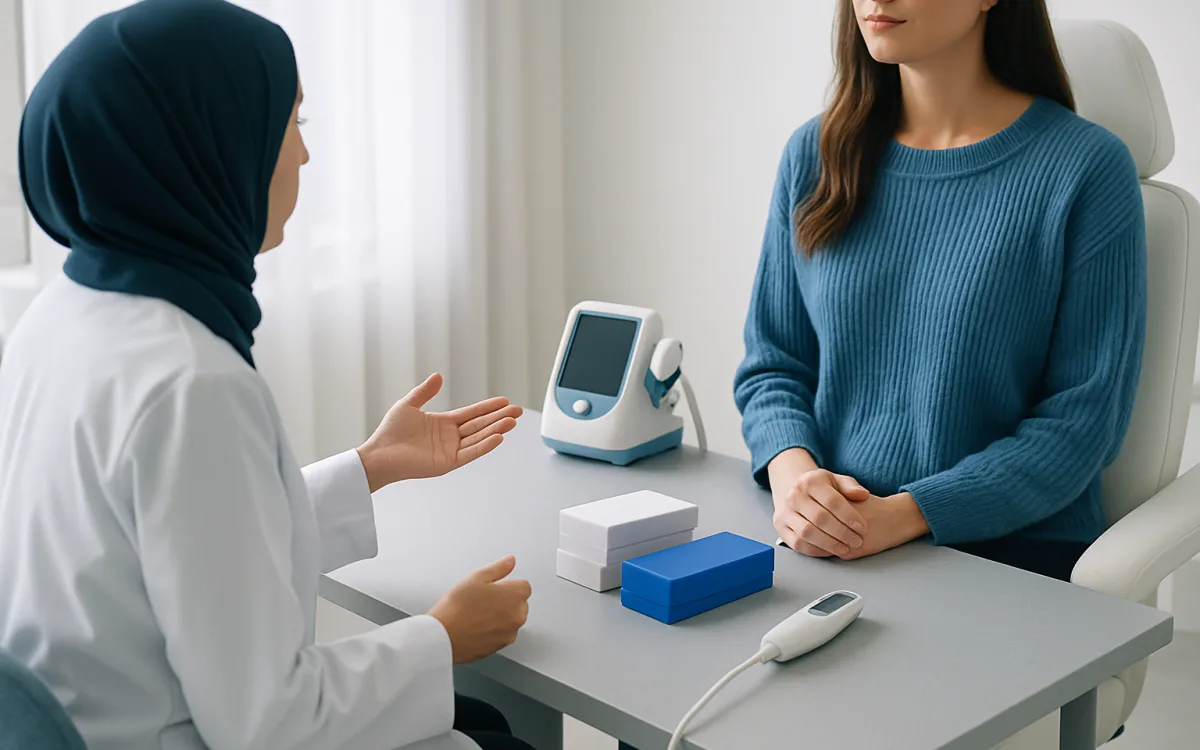
Not everyone seeking a fresher, younger look in Turkey needs a surgical facelift. Non-surgical options—like injectable fillers, focused ultrasound, and radiofrequency devices—are widely offered and can address some of the most common early signs of facial ageing, often with less downtime and lower cost.
However, each technique targets a different aspect of ageing. Understanding what fillers, ultrasound, and radiofrequency really do—and their limitations—can help you choose the right path, set realistic expectations, and avoid the disappointment or risk of overcorrection. Here’s how the main non-surgical options compare for patients considering facial rejuvenation during a visit to Turkey.
How the Face Ages: Volume Loss, Sagging and Skin Changes#
Facial ageing happens on several levels. The skin becomes thinner and less elastic, fat pads shrink or shift, and supporting structures like ligaments and bone lose strength. This results in hollowness under the eyes, flattening of the cheeks, and deeper folds around the mouth. Gravity causes tissue to sag, while sun damage, lifestyle, and genetics influence the rate and pattern of these changes. Before considering any treatment—whether surgical or not—it’s important to identify which aspect of ageing is most bothersome. Non-surgical options in Turkey are best for early to moderate volume loss, mild laxity, and superficial lines, but cannot replace the structural changes achieved by a full facelift.
What Fillers Can—and Cannot—Do#
Dermal fillers, usually made of hyaluronic acid, are injected to restore lost volume in areas like the cheeks, lips, or under the eyes. They can soften lines and create a more youthful contour, but they do not lift sagging skin or tighten jawlines. While some marketing suggests 'liquid facelift', in reality, fillers can only replace what has been lost—they cannot reposition or tighten tissues. Overuse can result in a puffy, unnatural look or 'pillow face'. In Turkey, reputable clinics use European CE-marked products, and a skilled injector is essential to avoid lumps, asymmetry, or vascular complications.
- Best for restoring volume to cheeks, lips, and under-eye hollows
- Effects last 6-18 months depending on product and area
- No significant downtime; swelling or bruising possible
- Cannot lift sagging jowls or tighten loose skin
Comparing Fillers, Ultrasound and Radiofrequency: Duration, Downtime and Cost#
| Treatment | Typical Duration | Downtime | Cost (Turkey, €) |
|---|---|---|---|
| Hyaluronic Acid Fillers | 6-18 months | 1-3 days | 180–400 per syringe |
| Focused Ultrasound (e.g. Ultherapy) | 12-24 months | 0-2 days | 800–1600 per session |
| Radiofrequency (RF) Devices | 6-12 months | 0-1 day | 300–900 per session |
Prices vary by clinic, device, and the number of areas treated; always request a written quote.
Ultrasound Tightening: What to Expect#
Focused ultrasound treatments, such as Ultherapy, use sound waves to heat deeper layers of the skin, triggering collagen production and mild tightening. Results build gradually over 2-6 months and can last up to 2 years. This approach is best suited to those with mild to moderate laxity rather than deep sagging. Some people experience temporary redness, swelling, or tingling. Ultrasound cannot add volume or replace the results of surgery, but it can sharpen jawlines and lift brows slightly. In Turkey, not all clinics use the same brands or protocols, so it’s important to check what device is being used and the provider’s experience.
- Non-invasive with minimal downtime
- Gradual, subtle improvement
- Not for severe sagging or excess skin
- Repeat treatments may be needed to maintain results
Radiofrequency Devices: Subtle Tightening for Early Ageing#
Radiofrequency (RF) devices deliver heat energy to the deeper skin layers, encouraging collagen remodelling and mild tightening. This method is often used for early jowls, mild neck laxity, or to improve skin texture. Most RF treatments in Turkey are performed as a series—typically 3-6 spaced a month apart—with peak results seen a few months later. The effects are less dramatic than surgery or even ultrasound and do not address volume loss. Side effects are usually mild: redness, swelling, or temporary sensitivity.
- Best for mild laxity and skin texture improvement
- Works gradually over weeks to months
- Usually requires a course of treatments
- Cannot restore lost volume or treat deep folds
Risks of the Overfilled Look and How to Avoid It#
The trend for fuller faces has made overfilling a common risk. Excessive filler can blur natural contours, distort facial expressions, and even accelerate tissue sagging by weighing down the skin. In Turkey, where filler treatments are widely available, it is important to choose a provider who respects natural proportions and is willing to say 'no' to unnecessary injections. Always ask to see their credentials, ask what product will be used, and discuss what happens if you are unhappy with the result—reputable clinics will offer hyaluronidase to dissolve unwanted hyaluronic acid fillers.
Is Non-Surgical Enough? When to Consider Facelift Surgery in Turkey#
Non-surgical solutions work best for people with early signs of ageing or those who are not ready for—or do not want—surgery. If you have significant sagging, severe jowls, or deep neck bands, injectables and devices will not deliver the same changes as a surgical facelift. Honest clinics in Turkey will assess your face, discuss the pros and cons of all approaches, and refer you to a surgeon if your goals cannot be met with non-surgical methods. Always take time to research, ask questions, and avoid pressure to commit on the day of your consultation.
How to Choose a Clinic and Request a Written Quote#
- Check the clinic’s credentials and the experience of the provider
- Ask what product or device will be used and whether it has CE certification
- Request a written, itemised quote before making any commitment
- Clarify the aftercare process and what is included in the price
- Don’t be swayed by low prices or package deals—focus on safety and reputation
| Step | Purpose |
|---|---|
| Research clinics and providers | Ensure you are treated by qualified professionals |
| Request references, photos, or reviews | Assess previous patient satisfaction |
| Confirm product or device certification | Verify safety and legality |
| Get a written quote | Avoid hidden costs or surprises |
Questions people ask
Can fillers lift the face like a surgical facelift in Turkey?
No, fillers cannot physically lift sagging tissues or tighten skin in the way that facelift surgery can. They are designed to restore volume in areas of hollowness, soften lines, and enhance certain features. Overfilling in an attempt to create a lifting effect can result in an unnatural look. If your main concern is sagging or loose skin, a surgical facelift will be the only option for a true lift, while fillers remain suitable for volume replacement only.
How long do results last for fillers, ultrasound, and radiofrequency?
Hyaluronic acid fillers typically last between 6 to 18 months, depending on the product and area treated. Focused ultrasound results can last up to 2 years, but they develop gradually and may require maintenance. Radiofrequency effects are usually more subtle and last 6 to 12 months, with repeated sessions often needed to maintain results. The duration of any treatment will depend on your unique ageing process, the technique used, and your lifestyle.
What are the main risks and complications of non-surgical facial treatments in Turkey?
Non-surgical treatments are generally safe when performed by experienced, qualified providers using certified products or devices. However, risks include swelling, bruising, allergic reactions, asymmetry, lumps (for fillers), or burns (for energy devices). The most common aesthetic concern is an unnatural or overfilled appearance, especially with excessive use of fillers. To minimise risks, always check your provider’s credentials, understand the product or device being used, and never feel pressured into treatment.
facelift Turkeynon-surgical facelift Turkeyfillers vs ultrasound vs radiofrequencybest clinic for facial fillers TurkeyUltherapy Turkey costradiofrequency facial Turkey